
The Little Naysayer
“Knocking,” coughed the woman.
“Only snow falling from the pine tree branches, Mommy,” the boy whispered.
“No,” she wheezed, as the knock repeated, “someone at the door.”
The boy set the woman’s broth-bowl on the ground to go unbolt the door.
Outside stood a priest.
“All this week you have been absent from class,” the priest said to the boy. “May I come in?”
The priest crossed the cabin threshold.
“Forgive me, Abbot Campbel,” the boy said to the priest. “Mommy is unwell.”
A gray wool blanket revealed only the woman’s sweaty, sallow face. She lay on the same bed where the priest had administered last rites to the Tannenbaum patriarch.
“Abbot Campbel,” said the woman, “I am so glad you’ve come.”
“It has been some time,” the priest said.
“Thank you for paying us a visit.”
“Your son tells me you are ill, Mrs. Tannenbaum.”
“It’s nothing to worry about,” said the woman.
“You are feeling better then?” asked the priest.
“No, I am not better,” she said, “but it’s of no consequence.”
“The druggist had no medicine for her,” interjected the boy. “But there is a town doctor who lives downhill with medicine.”
“In fact,” the priest said, lowering his hat, “that’s the reason I’ve come. I must tell you I’m taking leave of the schoolhouse for a journey down the hill. I will purchase foodstuffs, and the three acolytes who are going with me plan to purchase books for the school. Until we return, classes are cancelled.”
The woman said, “Oh, are you taking my son with you?”
“It is not a journey a young boy could make,” said the priest.
“It’s a dangerous journey isn’t it,” said the woman. “May you return safely.”
The priest departed. The boy stared at the door. Leaning over, the boy told the woman, “I’m going outside for a moment.” The boy followed the priest.
“Abbot Campbel,” the boy called upon catching up to him.
“I can’t understand what you’re saying,” the priest said.
The boy caught his breath, “Let me go with you downhill.”
The priest stared at boy. Snow crowded into the boy’s open-toe sandals. A thin gray jacket must have once fit, years ago, but was now too small. His trousers were ripping at the inseam.
“As I told your mother, we are taking a dangerous journey. The going shall be difficult even for my acolytes who all are older than you. You can not come. Besides, what of your poor mother? Doesn’t she in her sickbed need your aid? Stay at home. For you to come with us would be impossible.”
“It is for her sake that I follow you. Only a doctor can restore her health. I must take back good medicine to Mommy.”
“I will tell your mother what you’ve said to me.” The priest returned to the cabin.
“Mrs. Tannenbaum, your son has proposed to come with us down the hill. I told him accompanying us will be impossible. I asked him if he shouldn’t instead stay by your bedside. I warned him how difficult and dangerous this journey will be. And still he insists to follow us to the town.”
The woman sat up in her bed. In the minute she took to muster her strength and respond, the boy stood unblinking.
She spoke to her son. “Since the evening Daddy died, no one has been at my side but you. You have not left my sight for more than the time it takes to prepare a meal. Reciprocate but a fraction of the love I have shown you. Let your love for Mommy keep you here with me.”
The boy replied, “It all is as you have said. But I won’t be persuaded. I want to use my life to preserve the life of she who gave life to me. So I will follow Abbot Campbel down the hill even if he refuses me. I know this is my purpose, and I will not be moved.”
“Many consent to wrong things,” mused the priest, “but this boy refuses to consent to illness. He strongly believes he should take this action to get a cure.”
“So dangerous,” said the woman, “but I have no strength left. If that’s how it must be, then go. Go with Abbot Campbel down the hill. But swiftly return to me!”
Said the priest to the boy, “If you come with me, you must consent to follow the directions of my acolytes exactly and to do whatever they say. They have good experience in hill travel and know well its risks and hazards. You will give me your word that you submit to any decisions they reach. Do you?”
“I consent,” said the boy.
At dawn, the boy and the acolytes waited at the priest’s porch.
They began the long hike down the hill. After only a few hours the boy fell, got up, and then stumbled again.
Out of breath, he yelled for the priest. The company halted, and the priest turned around. “What do you want to say,” he asked.
“I feel unwell,” said the boy.
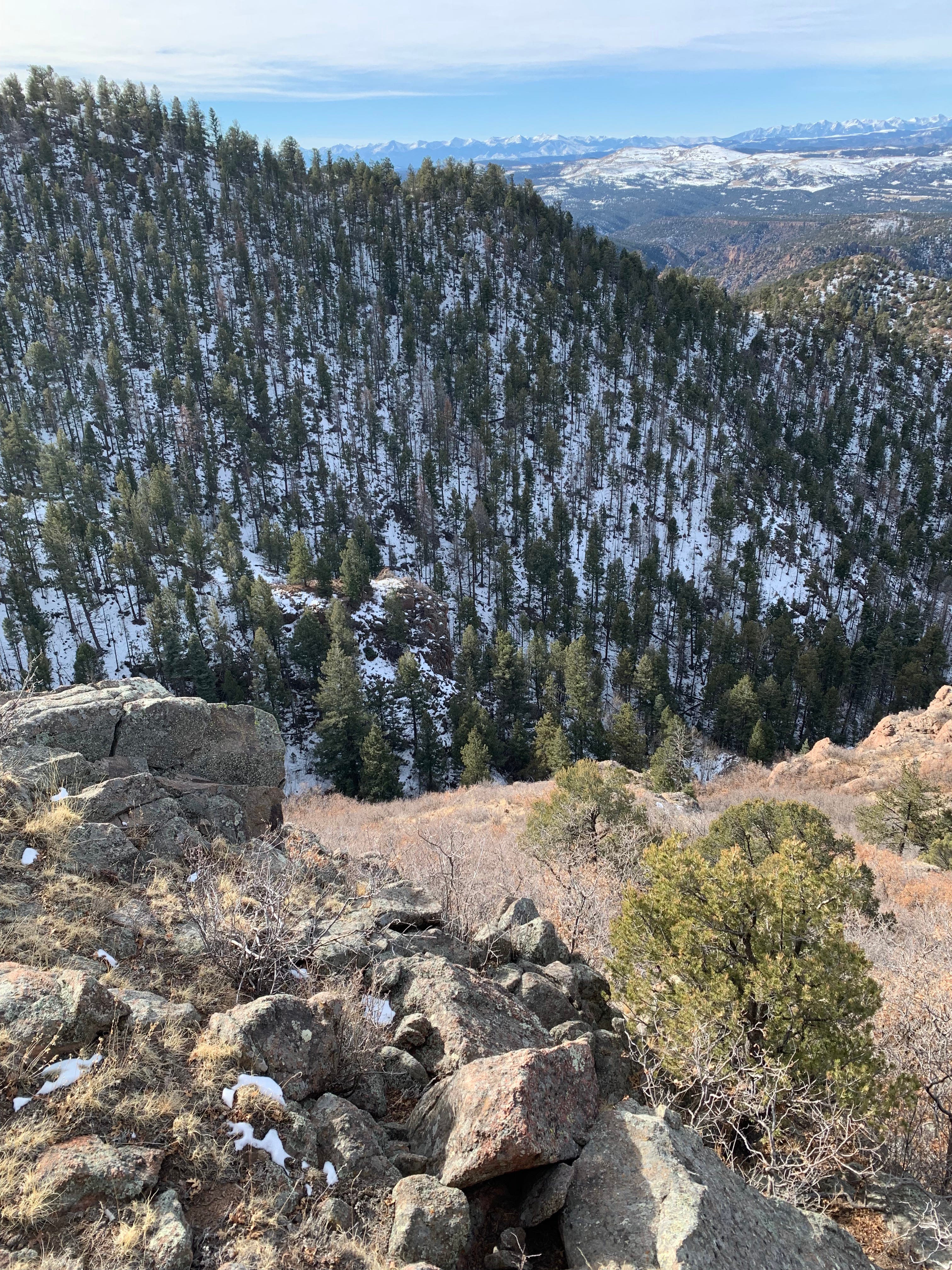
The priest remarked, “Stop. Such things must not be said on journeys like ours.” He shook his head. “Perhaps you are just tired because you aren’t used to hiking. We will rest here for a while.” The spot overlooked a steep cliff.
The acolytes argued with the priest over the delay. The boy is tired. He does not look tired, he looks sick. Are you sure he is only tired? Yes he just needs rest. Are you worried about him? Not at all, he will be fine with some rest. You aren’t worried about him then? No he just isn’t used to hiking. To us, he looks ill. Well, ask him yourself then.
And so the acolytes went over to the boy.
“Are you aware that a narrow footpath is the only way to move forward from here? It is wide enough only for a single person to walk at one time.”
The boy, lying on his side, said, “How could I know that?”
“A storm approaches from behind us. If we cannot reach the little inn, we will be caught in snow. Through that footpath, no one can carry you.”
“I understand.”
“We should consult with our Abbot on what to do.” The three acolytes left the curled-up boy. After some time passed they returned to him.
The first acolyte said to the boy, “The Church has a teaching which says, ‘Better for one man to perish than for the whole multitude to be destroyed.’ In our case, we believe it’s better to leave you here, although doing so might even mean your death, than for us to remain here in this spot with you, where we all would surely die in the storm.”
“Shall we leave you here?” asked the second acolyte. “If you consent, then at a brisk pace the next shelter is reachable for us.”
The third acolyte said, “No, it’s cruel to leave the boy alone to freeze to death. Show some compassion! Look we can offer him something better.” He gestured at the cliff’s edge.
“What do you mean,” asked the other acolytes.
“It will be a much quicker way to go. A fall from our height would be instant. He will not suffer the pain of frostbite, hypothermia, or the slow loss of his body heat.”
The three acolytes presented all this to the boy. They said: “To save our lives, you must consent to one of these options:
We will pitch you over the cliff there, where death will find you at the bottom.
We will leave you here before the storm, where death will find you through the blizzard.”
“I wish to speak with Abbot Campbel,” said the boy.
The acolytes left again and returned with the priest.
The priest said to the boy, “Little Tannenbaum, have not the Scriptures taught us that death is not the end? Our God has conquered death. He has promised us that just as his Son rose from the dead, so also shall we be raised.”
The boy did not respond, so the priest continued. “Our Master once taught His disciples that there is no greater love than this: that a man should lay down his life for his friends. Will you follow in the footsteps of our Lord?”
The boy sat for a moment. Then he said, “No, I do not consent.”
“Come back, come back,” shouted the priest. “He has refused his opportunity to imitate Christ.”
The acolytes grew upset. They asked the boy:
“Why did you say no?”
“Why would you refuse to follow Jesus? Do you not know that those who refuse him in this life will be refused before the Father in the afterlife?”
“Didn’t you agree when we first set out on our journey that you would submit to any decision we reached?”
The boy said to them, “The consent I gave was wrong. I do not need to agree either to be abandoned or to be thrown onto those rocks below us. I don’t need to self-sacrifice even if our religion says so. I wanted to get medicine for Mommy, but now I myself have fallen ill, so it no longer is possible. And because of the altered situation I want to turn back at once. I ask you all also to turn back and to take me home. Your desired books and foodstuffs can wait. And if you fear that in compromising your plans, any of us will fail to express our highest religious values, then perhaps we need a new doctrine: to wit, that one must think afresh in every new situation.”
The acolytes turned to the priest. “What are we to do?” they wanted to know. “What the boy said is reasonable, although it is not written in the Scriptures.”
“I leave that to you,” said the priest. “But I will remind you of this tale: the Devil is said once to have tempted our Savior by proposing to Him that He throw Himself down the side of a very high spot. And the decision He reached was: No. He didn’t do it.”
“But did the boy say anything heretical when he spoke his own mind, presenting his little idea like it’s a new commandment for us?”
“Yes,” the priest said, “I believe it is heretical to propose a new commandment or a new doctrine.”
The acolytes consulted amongst themselves. They announced, “Neither heresy nor orthodoxy shall deter us from doing the reasonable thing, nor shall our religious beliefs prevent us from accepting an idea that’s right.”
To the boy, they said, “Support your head on our arms. Don’t exert yourself. We will carry you gently.”
Afterword
There are a pair of plays by Bertolt Brecht, which he wrote as two versions of the same adaptation. One of these he titled Der Neinsager, translated by Wolfgang Sauerlander as “He Who Says No,” while its counterpart is titled, Der Jasager, or “He Who Says Yes.”
Brecht’s sentence-length preface points to this story’s original author, the Buddhist playwright Zenchiko, who made a single version of a play with the title “Taniko” for the purposes of Koan-style religious contemplation.
The above short story is a prose adaptation of Brecht’s twist on this 15th-century Japanese drama.